Aerodynamics

How Formula 1 Teams Are Driving Towards Net-Zero Carbon by 2030

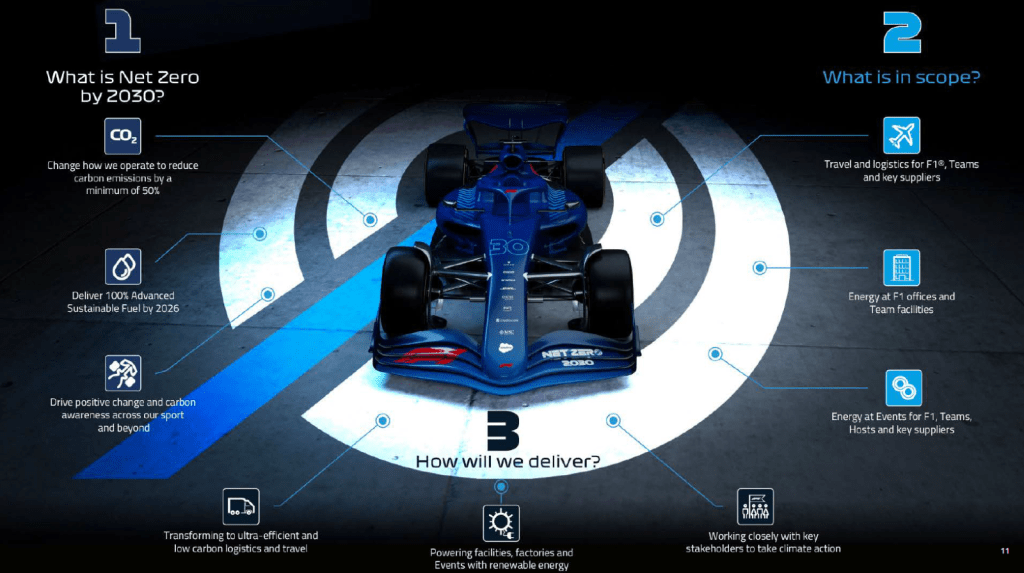
In 2019, Formula 1 revealed its substantial environmental impact with 256,000 tonnes of CO2 emissions. The Net-Zero Carbon by 2030 initiative aims to change that. This article explores the sustainability measures taken by F1 teams, including the use of sustainable fuel, increased reliance on renewable energy, and innovative logistics strategies. Learn how teams like Mercedes, McLaren, Aston Martin, and others are driving towards a greener future for motorsport. Discover the significant steps taken so far and the ambitious plans for the future as F1 strives to achieve net-zero carbon emissions by 2030.

How Formula 1 Teams Are Driving Towards Net-Zero Carbon by 2030 Read More »

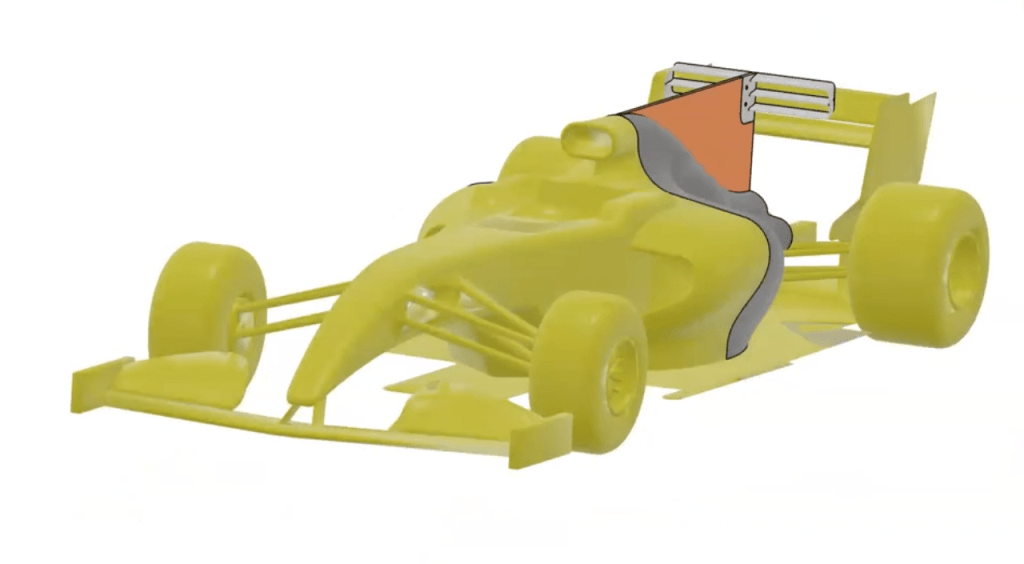
Tiny hidden feature, huge visible impact: how nose guide vanes influence the flow around a Formula 1 car

The art of manipulating flow around race cars has evolved from a competitive advantage to a game-changer in car design. Nose guide vanes, tiny aerodynamic features on Formula 1 cars, significantly influence the overall flow field, impacting downforce and vehicle performance. This article explores their role, effects, and the results of a CFD study on their positioning.

Tiny hidden feature, huge visible impact: how nose guide vanes influence the flow around a Formula 1 car Read More »

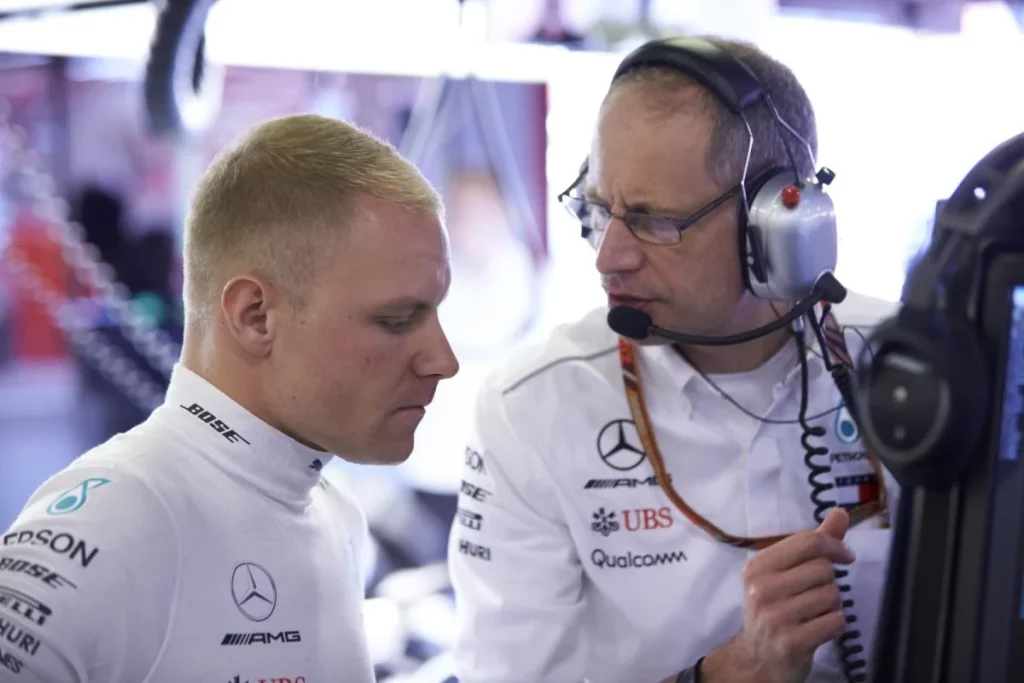
Jobs In F1: How To Become A Formula 1 Race Engineer

In the world of Formula 1, drivers are often seen as the stars of the show, main protagonists, clinching victories and basking in the glory. Yet, it’s crucial to recognise that these triumphs are not solely their doing. Behind every successful driver is a team of engineers working tirelessly on everything from performance optimisation to ensuring compliance with stringent safety standards and regulations. It’s a collaborative effort that goes well beyond the limelight of the race track.

Jobs In F1: How To Become A Formula 1 Race Engineer Read More »

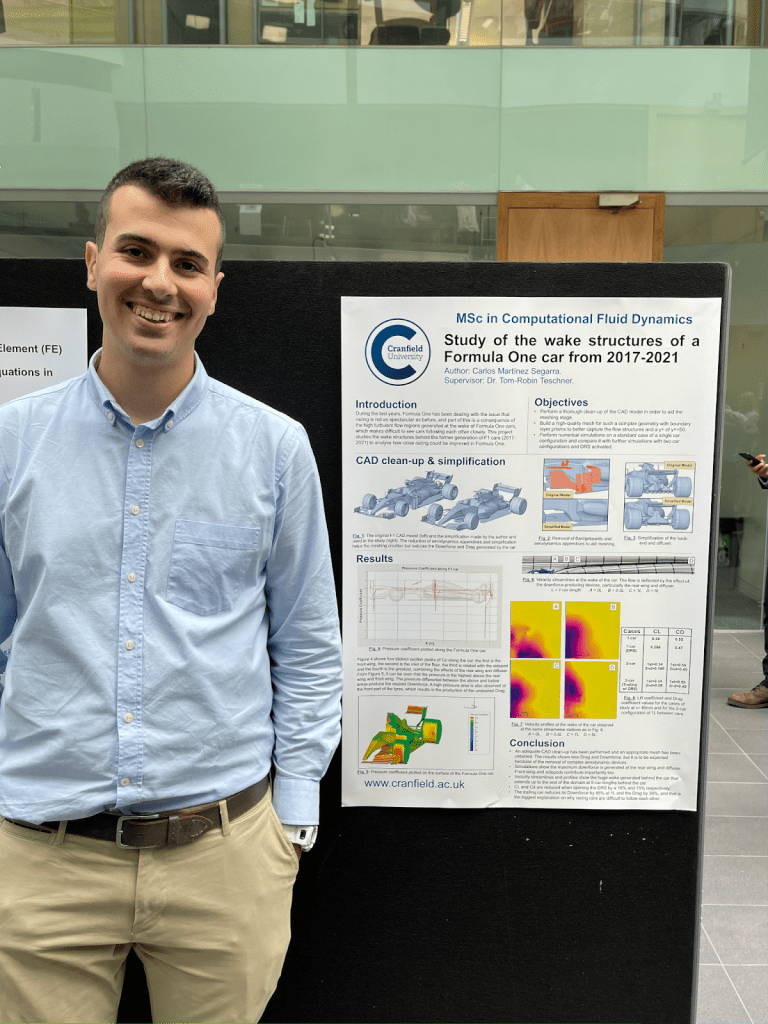
CAD Design with F1 Hopeful Motorsport Engineer Student Carlos Martínez Segarra

In the world of Formula 1, a unique combination of technical skills and innovative knowledge allows one to create the fastest machines on the planet. A crucial tool for many professionals working in Motorsport Engineering is Computer-Aided Design (CAD) software.  Join us as we explore what it takes to master CAD design through the eyes

CAD Design with F1 Hopeful Motorsport Engineer Student Carlos Martínez Segarra Read More »

Gerard Torres Photo from his time at AMG Petronas

5 Things Every Aspiring Formula 1 Engineer Should Know (by a former F1 engineer)

Embarking on a career in Formula 1 engineering is an exciting journey filled with unique challenges and unparalleled opportunities. If you’re an engineering student aspiring to work in this thrilling field, here are five essential insights to guide your path. Gerard Torres is a former F1 engineer who founded Motorsport Engineer in 2020, bringing together

5 Things Every Aspiring Formula 1 Engineer Should Know (by a former F1 engineer) Read More »

How Your CAD Portfolio Can Help You Land A Job In Formula 1

Are you an aspiring engineer with dreams of working in Formula 1? If so, showcasing your CAD abilities in a well-crafted portfolio can set your application package apart in your job search. A CAD portfolio allows you to highlight your proficiency in creating, modifying, analysing, and optimising designs in a digital environment. This article, featuring

How Your CAD Portfolio Can Help You Land A Job In Formula 1 Read More »

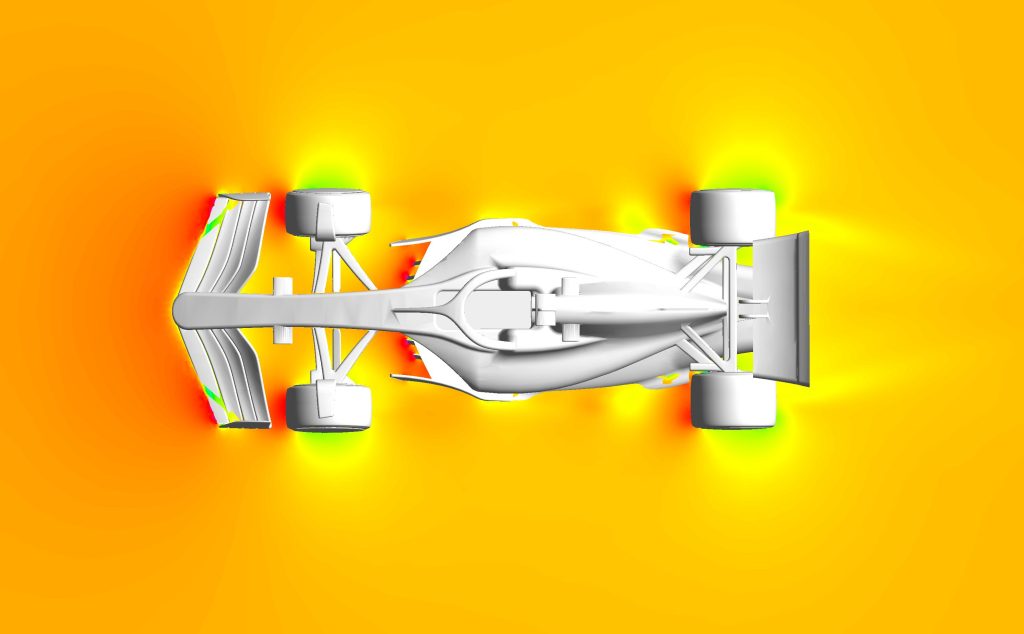
How Engineers Test Aerodynamics and Thermodynamics Models

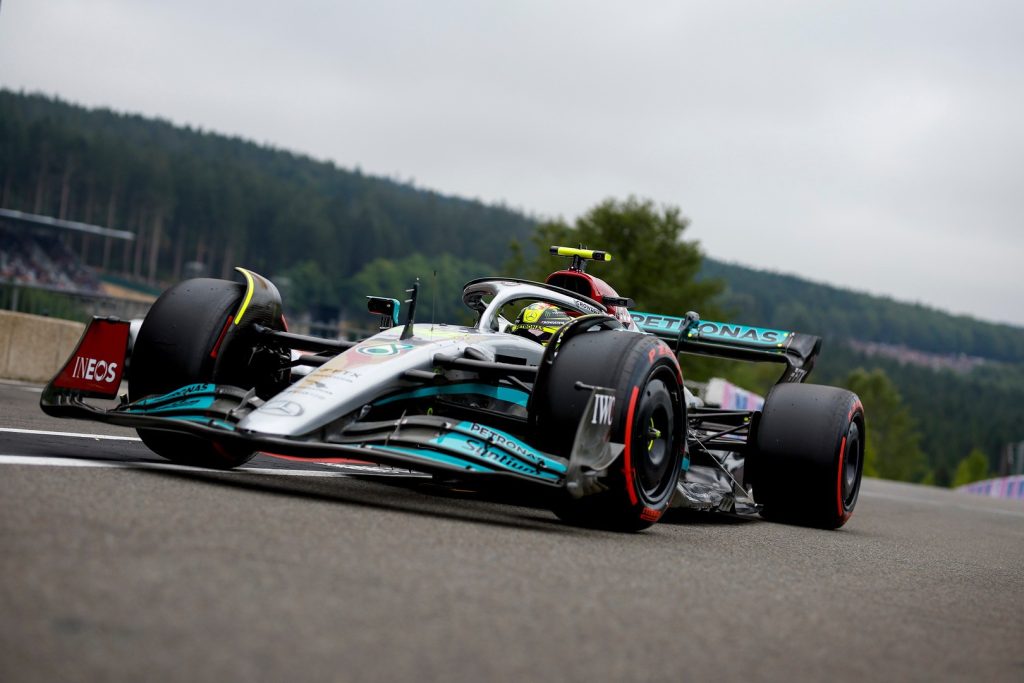
Aerodynamics and thermodynamics influence performance, efficiency, and safety, mainly reflected in motorsports. These principles are integral to optimal vehicle design and functioning. Engineers operate a range of testing methods and instruments to ensure this. This article will size up the diverse methods engineers employ in testing their models related to aerodynamics and thermodynamics, gleaning insight

How Engineers Test Aerodynamics and Thermodynamics Models Read More »

How The Altitude Effect Pronounces On A Formula 1 Car

On the race track, altitude makes more than just a breathtaking view – it can strikingly bias a car’s performance. As Formula 1 cars travel at extreme speeds, the elevation at distinct circuits demands a well-thought-out perspective to fine-tune engines and aerodynamics to warrant they excel. This effect is a genuine phenomenon that sways engine

How The Altitude Effect Pronounces On A Formula 1 Car Read More »

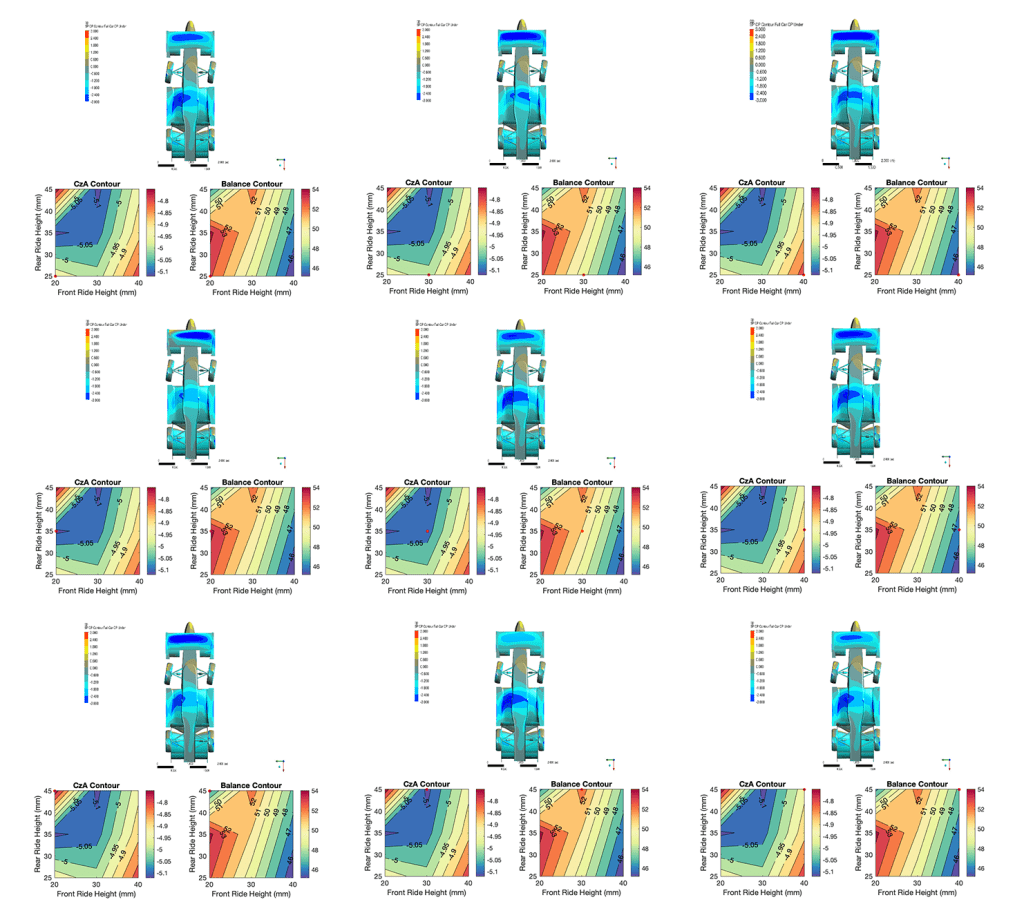
How Aero Maps Supercharge Race Car Performance

Aero maps have a profound impact on race car performance. These sophisticated charts provide crucial insights into the aerodynamic properties of a race car, enabling engineers to optimise downforce, reduce drag, and achieve an ideal aero balance. This article takes on the concept of aero maps, their aerodynamics importance, and how they elevate performance on

How Aero Maps Supercharge Race Car Performance Read More »

How Active Aerodynamics Can Elevate Formula 1 Performance

Formula 1 has always been at the forefront of technological innovation, constantly striving to enhance the excitement and competitiveness of its races. In its ongoing quest to level the playing field, F1 is now turning its attention to the next generation of cars, set to debut in 2026. The implementation of active aerodynamics is a

How Active Aerodynamics Can Elevate Formula 1 Performance Read More »

Scroll to Top